Choosing the right products for your yard can make outdoor maintenance easier and help plants, lawns, and garden beds perform better throughout the year. The best choices depend on your property, climate, soil conditions, and sunlight. With so many soils, mulches, fertilizers, seeds, tools, and plant-care products available, it can be difficult to know where to begin. Instead of buying items based only on price or appearance, it helps to think about how each product fits the needs of your landscape. Selecting garden supplies with a clear plan can help you avoid waste, improve growing conditions, and create a yard that is easier to maintain.
Assessing the Needs of Your Yard
Before purchasing anything, evaluate the current condition of your yard. Look at the type of soil you have, how well it drains, which areas receive full sun or shade, and where water tends to collect after rain. You should also consider whether your main goal is growing a healthier lawn, establishing flower beds, planting vegetables, improving curb appeal, or maintaining existing landscaping.
It is also helpful to identify recurring problems before selecting garden supplies. Compacted soil, bare lawn areas, poor drainage, weak plant growth, and excessive weeds may each require different solutions. For example, a lawn with thin grass may need seed and soil amendments, while a garden bed with poor drainage may benefit from changes to the soil structure. Understanding the source of a problem can make it easier to choose products that support long-term improvement rather than temporary fixes.
Choosing the Right Soil and Amendments
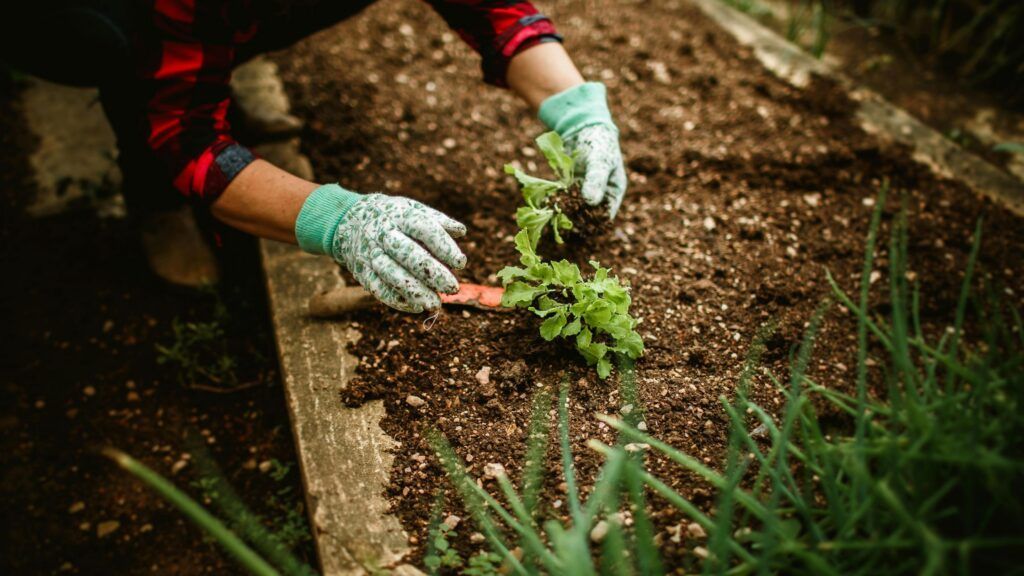
Healthy plant growth starts with appropriate soil conditions. Different plants prefer different soil textures, nutrient levels, and moisture conditions, so the product you choose should match what you plan to grow. Topsoil, compost, potting mix, and specialty planting soils serve different purposes and should not always be used interchangeably. Garden beds may benefit from organic matter that improves structure and nutrient availability, while containers generally require a lighter mix that allows roots to receive both moisture and air.
Soil amendments can also help correct specific problems. Compost may improve organic content, while other products can help address drainage, compaction, or nutrient deficiencies. Before adding anything, consider whether a soil test would help you understand what is actually missing. Adding too much of a product can sometimes create new problems, so following label directions and using amendments only where needed is an important part of responsible yard care.
Matching Seed to Your Growing Conditions
Seed selection can have a major impact on the appearance and performance of a lawn or garden. Grass varieties differ in their tolerance for heat, cold, shade, drought, traffic, and soil conditions, so choosing seed based on your location and yard characteristics matters. According to the United States Department of Agriculture, grass seeds made up 81% of the total seed import volume in 2025.
When comparing seed options, look beyond the front of the bag. Read the label to understand the varieties included, germination rates, and any other materials in the mix. A shaded area may require a different blend from a sunny lawn, while high-traffic sections may need grass that can withstand frequent use. The right garden supplies should match the conditions in the specific area where they will be used. A targeted approach can lead to better establishment and reduce the need for repeated reseeding.
Selecting Fertilizers and Plant Nutrition
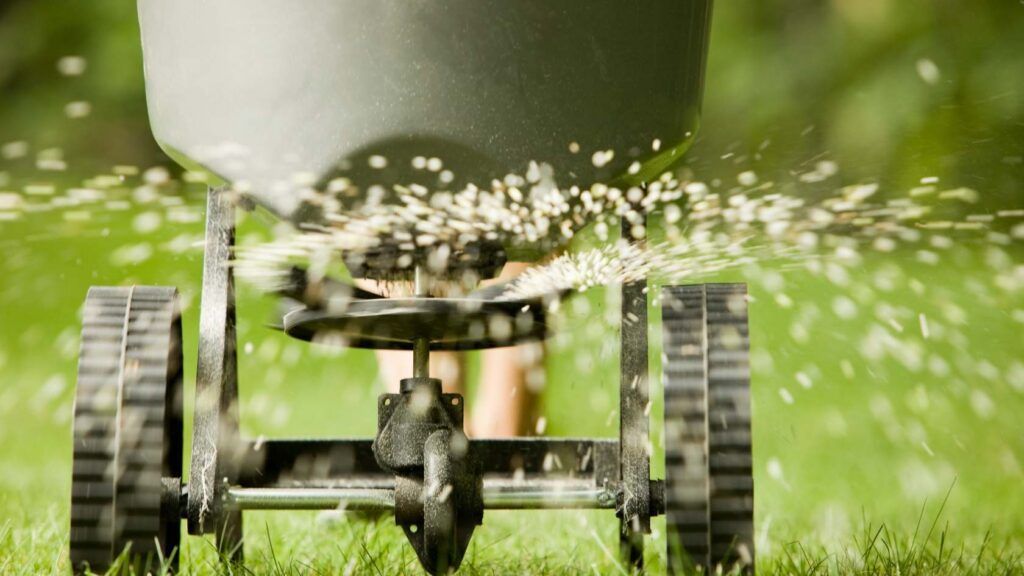
Fertilizers can support plant growth, but choosing the right product requires understanding what your lawn or garden actually needs. Fertilizer labels typically indicate the relative amounts of nitrogen, phosphorus, and potassium, and different formulations are designed for different plants and stages of growth. A lawn may have different nutrient requirements from a vegetable garden, flowering plants, shrubs, or trees. Applying a product intended for the wrong purpose can be ineffective and may stress plants if nutrients are supplied in excessive amounts.
Timing also matters when using fertilizers. Some products are intended for specific seasons or growth stages, while others release nutrients gradually over time. Before adding fertilizer to your garden supplies, review the product directions and consider the needs of the plants you are maintaining. Soil testing can again be useful because it helps identify nutrient deficiencies before you apply anything. Careful selection and proper application can support healthier growth while reducing unnecessary product use.
Comparing Mulches for Different Areas
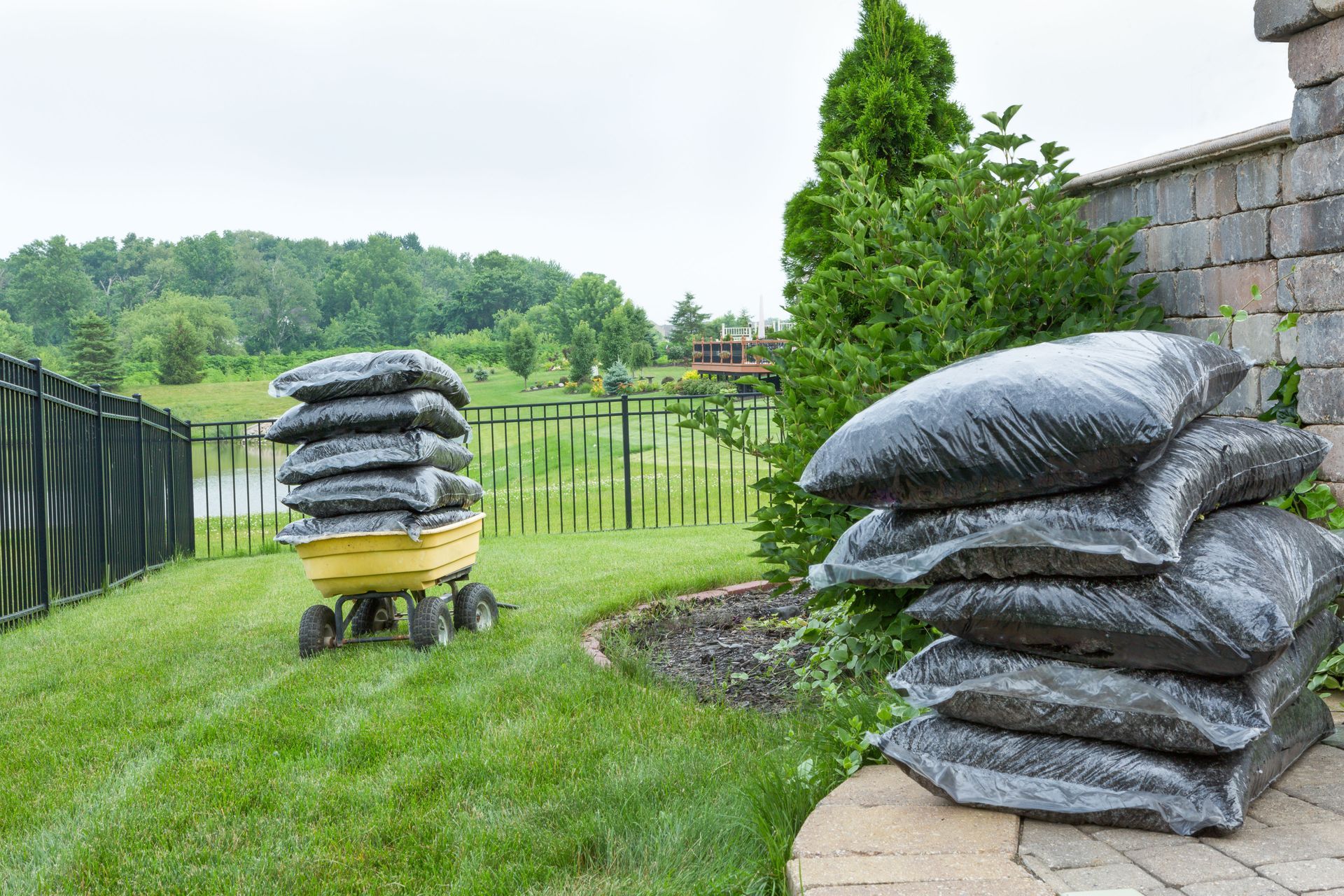
Mulch can serve both practical and decorative purposes in the landscape. It can help retain soil moisture, moderate soil temperature, reduce weed growth, and create a finished appearance around trees, shrubs, and flower beds. However, not every mulch performs the same way. Wood chips, bark, pine materials, stone, and other options vary in appearance, longevity, weight, and how they interact with the soil over time. The best choice depends on the area you are covering and the look you want to achieve.
Consider maintenance needs before choosing mulch as well. Organic materials may break down and need to be refreshed periodically, while stone products can last longer but may be more difficult to move or change later. In areas where plants are frequently added or rearranged, a lighter material may be easier to work with. Choosing garden supplies based on both appearance and function can help you create beds that look neat while supporting the plants growing in them.
Planning for Tools and Everyday Maintenance
The right tools can make routine yard work more efficient and comfortable. Basic items such as shovels, rakes, hand trowels, pruning tools, hoses, watering cans, and gloves can cover many common tasks, but the exact combination you need depends on the size and type of your property. A small garden may require only a few hand tools, while a larger yard may benefit from more durable equipment designed for frequent use.
Durability and maintenance should be considered along with cost. A lower-priced tool may be adequate for occasional work, but equipment used regularly should be sturdy enough to withstand repeated use. Clean and store tools properly to reduce rust, dull edges, and other wear. When buying garden supplies, focus on versatile items that you will use often rather than specialized tools that may sit unused. Building a practical set over time can help control costs and keep storage areas organized.
Evaluating Products for Long-Term Yard Care
It is easy to focus on immediate results when shopping for lawn and garden products, but long-term maintenance should also influence your choices. Think about how often a product must be reapplied, how much storage it requires, and whether it supports the type of landscape you want to maintain. Products that work well with your normal routine are more likely to be used correctly and consistently.
Before purchasing new products, review what you already have and consider whether an item will solve a specific need. Avoid buying duplicates or products that do not match the conditions of your property. Asking knowledgeable staff about soil, seed, mulch, fertilizer, or tool options can also help you compare choices more effectively. A thoughtful approach allows you to spend your budget on products that are useful, appropriate, and likely to contribute to a healthier, more manageable yard.
Choosing the right products for your yard begins with understanding your soil, plants, lawn, climate, and maintenance goals. By evaluating your property first, you can select soil amendments, seed, fertilizers, mulch, tools, and other
garden supplies that match the conditions you are working with instead of relying on guesswork. Careful product selection can help reduce waste, support healthier growth, and make routine care more manageable throughout the seasons. Whether you are starting a new garden, improving your lawn, or maintaining an established landscape, thoughtful planning can make every purchase more useful. For help finding products suited to your yard and gardening goals, contact St. Matthews Feed & Seed.